
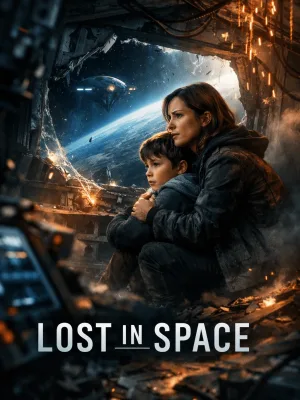
Hello, everyone! Hope you’re doing well! Today, I’m excited to share my thoughts on the series Lost in Space, which skillfully reinterprets the iconic 1960s sci-fi show for today's viewers with breathtaking visuals, engaging family dynamics, and thrilling survival narratives.
Advertisements
Lost in Space debuted on Netflix on April 13, 2018, offering 28 episodes over three seasons before wrapping up on December 1, 2021. Each episode spans around 50-60 minutes, making it ideal for captivating binge-watching experiences. This Netflix original revival follows the Robinson family as they find themselves stranded on an alien world after their colony ship veers off course, compelling them to collaborate for survival in hostile environments while seeking a route back to their original destination.
The series expertly modernizes the cherished 1960s concept with contemporary storytelling techniques and production values that rival major films. Unlike many reboots that merely recycle familiar tropes, Lost in Space reinvents the foundational idea with richer character arcs, authentic family dynamics, and real stakes that keep viewers engaged in every survival ordeal. The show retains the essence of the original while offering something completely new and pertinent for modern audiences.
What distinguishes this Netflix reboot is its dedication to anchoring fantastical sci-fi ideas in genuine human emotions and relationships. The Robinson family feels like true individuals confronting extraordinary situations, grappling with both outside threats and internal strife that challenge their connections. Lost in Space illustrates that the finest science fiction employs futuristic backdrops to delve into timeless themes of family, sacrifice, and the meaning of home.
John and Maureen Robinson: Leading Through Adversity
Toby Stephens and Molly Parker deliver remarkable performances as John and Maureen Robinson, parents who must navigate not just alien threats but the intricacies of guiding their family through crises while preserving their marriage. Their relationship in Lost in Space illustrates how extreme situations can both fortify and challenge partnerships, as they confront choices that place survival against moral values. John’s military experience and Maureen’s scientific knowledge create a dynamic where both parents contribute vital skills while learning to trust one another's decisions.
The series excels at illustrating how parental roles shift when traditional structures collapse. John and Maureen must adapt their methods of safeguarding their children while granting them the independence necessary for survival, generating authentic family tensions that resonate beyond the sci-fi narrative.
The Robinson Children: Maturing Amidst the Ultimate Adventure
Maxwell Jenkins, Taylor Russell, and Mina Sundwall bring the Robinson children to life as Will, Judy, and Penny, each encountering distinct challenges that test their individual strengths and familial bonds. Will's unique bond with the enigmatic Robot generates some of the series’ most poignant moments, while Judy’s medical skills are crucial to the family’s survival efforts. Penny’s transformation from hesitant participant to vital team member highlights how crises can unveil latent potential.
The chemistry among the siblings feels genuine, especially during instances when they must collaborate despite typical teenage disagreements. Lost in Space never condescends to its younger characters, instead illustrating how extraordinary situations can hasten maturity while preserving the essential traits that make each child unique and valuable to the family unit.
Dr. Smith: The Ultimate Survival Game-Changer
Parker Posey's reimagination of Dr. Smith shifts the character from a campy antagonist to a psychological manipulator whose presence injects ongoing tension and unpredictability. Her performance enriches Lost in Space by portraying someone whose survival instincts frequently clash with the group's best interests. Dr. Smith’s relationship with the Robinson family emphasizes how trust can be both crucial and perilous when survival hinges on collaboration.
The character serves as a constant reminder that human nature can be just as hazardous as any alien threat, creating ethical dilemmas that compel the Robinson family to reevaluate their values while fighting for their lives.
The Final Season: A Climax of Epic Proportions
The series reaches its emotional and narrative zenith during the third season as all plotlines converge toward the Robinson family's ultimate destiny. Lost in Space fulfills every promise made throughout the series, offering satisfying conclusions to character arcs while preserving the high-stakes action and emotional richness that made the show remarkable. The final episodes showcase how the family's individual growth throughout their journey has equipped them for their most significant challenges.
Rather than merely presenting easy solutions, the conclusion explores how the Robinson family's experiences have fundamentally transformed them and how they choose to utilize those transformations to assist others facing similar struggles.
Success on Netflix
Lost in Space became one of Netflix's standout sci-fi series during its three-season span from 2018 to 2021, garnering critical praise for its visual effects, performances, and thoughtful methodology in reimagining classic source material. The series showcased that audiences still crave family-oriented adventure tales that blend spectacular sci-fi elements with authentic emotional stakes. Each episode offered cinema-quality production values with narratives that balanced action, character development, and scientific problem-solving in ways that appealed to both adult and younger viewers. Lost in Space exemplified Netflix's capacity to create premium original content that respects cherished properties while carving out its own identity, setting a high benchmark for how classic series can be effectively modernized for contemporary audiences.
Ideal for Family Sci-Fi Adventure Enthusiasts
If you enjoy family interactions, cosmic exploration adventures, and survival narratives that merge stunning visuals with heartfelt character arcs, Lost in Space is the ideal series to binge-watch on Netflix. The show thrives because it consistently remembers that the finest sci-fi adventures ultimately revolve around the relationships that help us navigate through insurmountable challenges.
Why This Reboot Deserves Your Full Attention
Lost in Space demonstrates that the most successful reboots do not merely enhance special effects and production quality; they discover innovative ways to delve into the timeless themes that have sustained the original concept. This Netflix series pays homage to its source material while creating something uniquely its own, providing a viewing experience that will leave you both emotionally fulfilled and eager for humanity's next grand adventure among the stars.
Series Information
Number of Episodes: 28 episodes (3 seasons, concluded series) Platform: Netflix Release/End Year: 2018-2021 Current IMDb Rating: 7.3/10 Genre: Sci-Fi Adventure, Family Drama Status: Concluded series Main Characters: Toby Stephens (John Robinson), Molly Parker (Maureen Robinson), Maxwell Jenkins (Will Robinson), Taylor Russell (Judy Robinson), Mina Sundwall (Penny Robinson), Parker Posey (Dr. Smith), Ignacio Serricchio (Don West) Supporting Characters: Brian Steele (Robot), various alien beings and fellow space colonists