
Sentence Me to Death, Then Beg for My Return - How to Watch for Free
His own memories become the evidence at his public trial
Advertisements
Everyone who demanded the harshest verdict will watch the proof of who really saved them
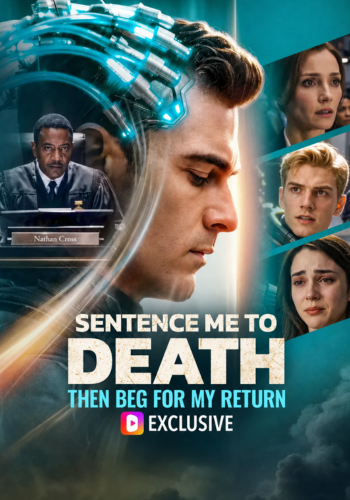
Series Information
- Title: Sentence Me to Death, Then Beg for My Return
- Year: 2026
- Platform: DramaWave
- Genre: Courtroom Drama, Redemption, Suspense, Family Drama
- Format: AI-generated vertical short drama distributed by DramaWave in 2026, structured as a courtroom narrative where each brief episode releases one new piece of memory evidence before cutting to a cliffhanger.
Synopsis
An entire courtroom gathers to watch a man receive the verdict they already agreed on. What nobody in that room expects is that the trial designed to end him will slowly put every accuser on the stand instead.
Jason Kane enters the story with the worst reputation a protagonist can carry. His world has branded him a traitor, and the label sticks because the case against him looks airtight. The teammates who once fought at his side are convinced he abandoned them when it mattered most. His family treats his name as a stain on their own. Even his wife, the one person whose faith should have survived the accusations, has turned away. The public demands the ultimate sentence, and the proceedings feel less like a search for justice than a formality before punishment. Yet something about how quietly Jason accepts all of it suggests the record is missing pages.
The turning point arrives through the trial's unusual mechanism. Rather than depending on testimony that can be shaped or bought, the court introduces a method that projects Jason's own memories as live evidence before everyone watching. The first revelation lands like a crack in a dam. Each subsequent memory widens it, exposing hidden missions, silent sacrifices, and decisions that looked like betrayal from the outside but were acts of protection from within. The question stops being whether Jason is guilty and becomes how many people owe him their lives without knowing it.
This is where the series finds its emotional engine. The accusers are not distant villains, they are the people Jason loved most, which means every exonerating memory doubles as an indictment of someone in the gallery. His wife watches proof of a devotion she abandoned. His family confronts the cost of choosing public opinion over blood. His former teammates realize the man they wanted erased is the reason they are alive to demand it. The drama refuses to rush their reckoning, letting guilt accumulate at the same pace the truth does, and that patience is what separates the story from a simple vindication fantasy.
Within the crowded field of betrayal narratives, the structural choice here is genuinely distinctive. Most wronged-hero plots follow the protagonist as he investigates, schemes, or claws his way back. This one keeps Jason almost passive and lets the evidence do the fighting, which inverts the usual power dynamic. The audience learns the truth at exactly the same moment the courtroom does, so every episode functions like the opening of a sealed file. Viewers who enjoy watching certainty collapse in real time, one exhibit at a time, will find the format built precisely for that pleasure.
The vertical short drama format amplifies rather than limits this design. Episodes of a few minutes each mean every installment can end on a fresh piece of evidence or a face in the gallery changing its mind, and the pacing never has room to sag. The production also represents a newer wave on DramaWave, where AI-generated storytelling is being tested against traditional formats, and the courtroom premise turns out to be an ideal proving ground since the drama lives in revelations and reactions rather than elaborate action. Whether the final verdict delivers mercy, justice, or something more complicated than either is the question the series holds back until the very last stretch, and it earns the wait.
Fascinating Curiosities About the Series
- The title itself functions as a plot summary in two acts. The first half describes where the story begins and the second half promises where it ends, a naming convention common in vertical drama that works as a retention contract with the viewer before a single episode plays.
- The series belongs to DramaWave's catalog of AI-generated productions, a newer category the platform has been expanding alongside traditionally filmed titles. Reviewers have pointed to it as evidence that the format can carry real emotional weight, with one independent critique scoring it 8.8 out of 10.
- The memory-projection device is a deliberate inversion of courtroom convention. Standard legal dramas build tension through witnesses who can lie, while this story makes the evidence impossible to dispute, shifting the suspense from "what is true" to "who can survive learning it." That single design choice restructures the entire genre around guilt rather than doubt.
- Jason's near-total passivity is a calculated writing risk. Wronged protagonists in this space usually drive the plot through revenge schemes or investigations, but here the hero barely defends himself, and the script trusts the audience to supply the outrage he refuses to express. Critics singled out this restraint as the reason his eventual vindication lands so hard.
- The trial's dual function gives the story its longevity across episodes. Every memory that clears Jason simultaneously convicts someone in the gallery of misjudging him, so the same scene plays as exoneration and accusation at once. The wife's arc carries the heaviest version of this, since her loss of faith is the one the narrative treats as the deepest wound.
- The episode structure follows a strict evidence-per-installment rhythm. Each chapter introduces one hidden sacrifice, secret mission, or misread act of loyalty, answers one standing question, and opens another, which is why the series is frequently described as compulsive viewing despite the audience suspecting the destination early.
- Reviewers noted that supporting characters exist mainly to serve the central mystery, a trade-off typical of the compressed vertical format where total runtime rivals a single feature film. The concentration of development on Jason, his wife, and the accusers closest to him is what keeps the emotional payoff focused instead of diluted.

Rachel Monroe is a drama critic with deep expertise in Korean and Chinese productions. She brings a screenwriter's eye to her analysis, breaking down story structure, dialogue, and the emotional beats that make K-Drama and C-Drama so compelling. Her work helps Western audiences navigate and appreciate Asian storytelling traditions.
This page contains editorial commentary produced exclusively for informational and entertainment purposes. All intellectual property connected to Sentence Me to Death, Then Beg for My Return, including copyrights, trademarks, and rights of distribution, belongs entirely to its original creators, the studio responsible for the production, and the DramaWave platform. Anyone wishing to experience the complete series should watch it directly through DramaWave's official application or website, where the people behind the production receive the recognition and revenue their work deserves. This site exists solely as a review destination offering analysis and viewing guidance to drama fans. Every review, article, and recommendation published here is available free of charge. We do not sell subscriptions, request credit card numbers, or operate any billing system whatsoever. No copyrighted episodes are hosted, streamed, or shared through this website. Our only goal is helping readers find dramas worth their time through honest, carefully researched criticism. To watch Sentence Me to Death, Then Beg for My Return in full and support its creators, please visit DramaWave's official app or site.