
Too Late, You Worshipped the Wrong Goddess - How to Watch for Free
She took her sister's place to wed the Lord of Death
Advertisements
By the time Ares regretted everything, Hestia had already chosen Hades
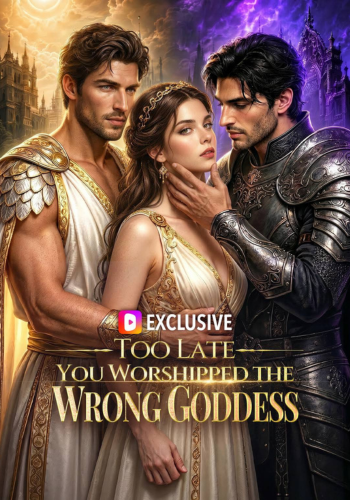
Series Information
- Title: Too Late, You Worshipped the Wrong Goddess
- Year: 2026
- Platform: DramaWave
- Genre: Greek Mythology Fantasy, All-Too-Late, Love After Marriage, Revenge Romance, Marriage Swap, Divine Romance, Regret Arc, Strong Female Lead, Underworld Fantasy
- Format: DramaWave vertical short drama released with English audio and subtitles across forty-six episodes, set in a Greek-mythology-inspired world of gods and built around an all-too-late regret arc paired with a marriage entered for a hidden purpose.
Synopsis
A woman agrees to marry the Lord of the Underworld, and she does it not for love but to recover something stolen from her. That woman is Hestia, and she steps into a union meant for her vicious sister in order to reclaim a relic that belonged to her mother, a treasure that matters more to her than the fearsome reputation of the god she is about to wed. The audience meets her already carrying a heavy history, since long before this marriage she gave her heart to Ares, the God of War, and received endless hurt in return.
Marriage to Hades begins as a transaction wrapped in dread. The Lord of the Underworld commands fear across the divine world, and Hestia walks into his domain expecting coldness, danger, and a husband who married her sister in name only. The substitution at the altar, Hestia taking the place her scheming sister was supposed to occupy, sets up the central irony of the entire story, since the woman everyone dismissed as the lesser choice turns out to be the one who builds a genuine life inside a marriage no one expected to work.
Ares haunts the early stretch of the story as the love Hestia cannot fully escape. The God of War wounded her repeatedly, taking her devotion for granted and choosing others over her, and the title of the series spells out his fate with cruel precision, since he worshipped the wrong goddess and will spend the story learning exactly what that error cost him. When his regret finally arrives, it arrives late, after Hestia has already begun to release the past and discover something real inside her marriage to the Lord of the Underworld.
What gives the show its emotional charge is the slow inversion of every expectation Hestia carried into the Underworld. The husband she feared becomes the partner who actually values her, while the lover she once worshipped becomes the figure left behind. The Love After Marriage structure runs in reverse order, with the divine union preceding affection, and the writing earns the eventual warmth between Hestia and Hades by letting it grow out of mutual recognition rather than instant attraction. Her happiness becomes the quiet weapon that answers years of being undervalued.
Inside the all-too-late corner of the genre, this title leans on one of the format's most satisfying emotional structures, the regret arc, where a character who failed the heroine recognizes her worth only after losing her permanently. The Greek mythology framing gives the familiar structure a fresh coat, dressing a recognizable revenge-and-redemption story in the robes of gods, relics, and the Underworld. The audience pleasure comes from watching Ares arrive at the truth against a door that has already closed, while Hestia moves forward without waiting for his apology.
DramaWave has expanded its catalog of mythology-flavored fantasy romance through 2026, targeting viewers who enjoy divine settings layered over the emotional engines of the all-too-late and love-after-marriage subgenres, and this title fits that direction with confidence. Forty-six episodes give the writers room to develop the relic quest, the marriage substitution, the slow bond with Hades, and the regret of Ares as distinct arcs rather than compressed reveals. The vertical format suits the structure well, since each short episode can close on a fresh humiliation for the regretful god or a tender step forward in the Underworld. By the time Ares fully understands his mistake, the show has already let Hestia win the only victory that matters, a life she chose for herself.
Fascinating Curiosities About the Series
- The production takes substantial creative liberties with actual Greek mythology, where the historical Hestia was the virgin goddess of the hearth who famously never married, and Hades was paired with Persephone rather than any sister-swap bride. The drama treats the god names as romantic archetypes rather than accurate myth, repurposing Hestia, Hades, and Ares as vehicles for a contemporary regret-and-redemption story. Viewers familiar with the original myths will notice the deliberate departures.
- The all-too-late structure that drives the story is one of the most reliable emotional engines in all of vertical short drama. These stories follow a strict architecture where a character who mistreated the heroine recognizes her worth only after she has moved on, and the audience pleasure comes from watching the regret unfold against a closed door. Dressing that structure in Greek mythology gives a familiar formula a distinctive visual identity.
- Hestia's motivation is unusually concrete for the genre, since she enters the marriage specifically to recover her mother's relic rather than for love, money, or rescue. That object-driven goal gives the heroine clear agency from the opening minutes, protecting her from reading as a passive bride. The relic functions as the thread that pulls her into the Underworld and keeps her there long enough for the real romance to develop.
- The marriage substitution at the altar, with Hestia taking the place meant for her vicious sister, draws on a swap trope common across both Asian web fiction and Western fairy tale tradition. The device instantly creates dramatic irony, since the audience knows the wrong bride stands at the altar while the divine groom does not. That gap powers much of the early tension before the marriage becomes genuine.
- Hades as a romantic lead reflects a broader cultural rehabilitation of the Underworld god, who has shifted in popular fiction from a sinister villain into a brooding, misunderstood romantic figure. Contemporary romance across novels, games, and short drama increasingly frames the Lord of the Underworld as a loyal partner hidden behind a fearsome reputation. This production rides that wave of reimagined divine romance.
- DramaWave operates as a vertical streaming platform built for short-form serialized drama, distributing through mobile apps and shareable episode links across English-speaking markets. The platform leans on social sharing, with individual episodes circulating widely through clip-based promotion before viewers commit to the full series. That sharing-first model shapes how its mythology titles are packaged for reach.
- The English-language release reflects a localization push to bring mythology-flavored fantasy romance to Western audiences, a subgenre with deep roots in Asian short drama. Greek mythology offers an accessible entry point for English-speaking viewers, since the god names and relationships carry built-in cultural familiarity that an invented pantheon would lack. The platform is betting that recognizable myth lowers the barrier to entry for new viewers scrolling a crowded catalog.

Diana Foster is an entertainment writer specializing in action-romance hybrids and digital platform storytelling. With a background in genre fiction analysis, she covers the growing intersection of adrenaline-driven plots and romantic arcs in short-form series. Her reviews focus on pacing, production value, and what makes mobile-first content irresistible to global audiences.
This page operates as independent editorial coverage, commentary, and recommendation written for readers who follow vertical drama. The complete bundle of legal rights connected to Too Late, You Worshipped the Wrong Goddess, including authorship, registered trademarks, and worldwide distribution licensing, belongs exclusively to the original creative team, the production studio, and the DramaWave platform. Anyone who wants to watch the full series should head directly to DramaWave's official application or its official website, since that route is the only legitimate channel through which the cast, the writers, and the production crew receive the recognition and the financial return their effort merits. The function of this site is restricted to publishing editorial reviews, recommendations, and analytical commentary directed at audiences who follow the vertical drama format. Every article and review posted on this site can be read entirely without cost. Our pages never operate paid subscriptions, never request banking or credit card information from visitors, and never lock any portion of our editorial behind a paywall of any kind. Mirroring, redistributing, or republishing protected material is conduct this site refuses to engage in under any condition. Our purpose is restricted to guiding drama audiences toward titles deserving of their attention through honest editorial work. To watch Too Late, You Worshipped the Wrong Goddess in full and to back the creative team behind it, please open the official DramaWave site or its mobile application.